
Why your touch up paint sometimes looks different — a quick story
I remember the first time I tried fixing a parking-lot ding on my own car. I ordered a touch up paint kit, followed the steps, and thought I nailed it — until I looked at the panel in daylight and the repair stood out. That moment pushed me to learn every nuance of color matching and technique. Over the years I’ve tested xtryfun kits on dozens of cars and refined a workflow that reliably minimizes visible differences.
The core reasons touch up paint can look different
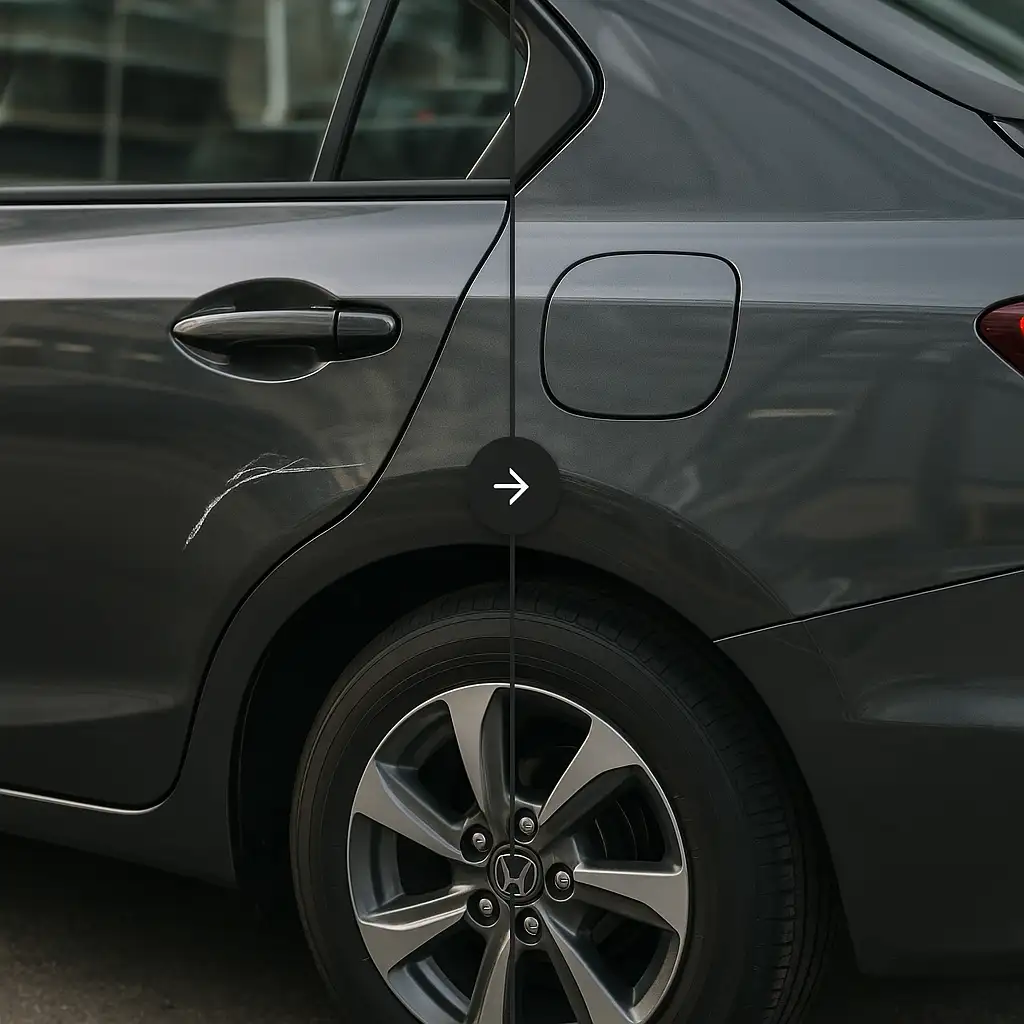
Before we dive into exact steps, it helps to know the root causes. Most visible mismatches come from one or more of these: incorrect paint code, faded factory paint, poor surface prep, incorrect application technique, or environmental variables while drying.
1 — Incorrect or incomplete color code selection
Even modern OEM paints have subtle variants (mid-year batches, special coatings). That’s why ordering a model-specific set like a Toyota touch up paint kit or subaru touch up paint helps — they start from the correct OEM formula. Still, older paint fades, so a perfect 1:1 formula can appear slightly different if your car’s finish has oxidized.
2 — Surface texture and preparation
Paint doesn’t just differ by color value — texture plays a big role. A repair that’s slightly rougher or has micro-scratches catches light differently. Proper sanding, cleaning, and, when needed, filler application are critical to match both color and sheen.
3 — Application technique
Thick single coats, uneven brush strokes, or painting in direct sunlight can create a “halo” effect or visible edges. Thin, controlled layers with adequate drying time yield the closest visual match.
4 — Lighting, angle and human perception
What looks close in your garage under a fluorescent bulb may reveal differences in natural daylight or at certain viewing angles. Always do your final checks in shaded daylight and from multiple angles.
Complete, step-by-step workflow using an xtryfun touch up paint kit
Below is the detailed, practical workflow that I use and recommend. It’s split into prep, application, blending, and finishing — follow it exactly and chances of a “different-looking” repair drop dramatically.
Prep: What to do before you even open the paint
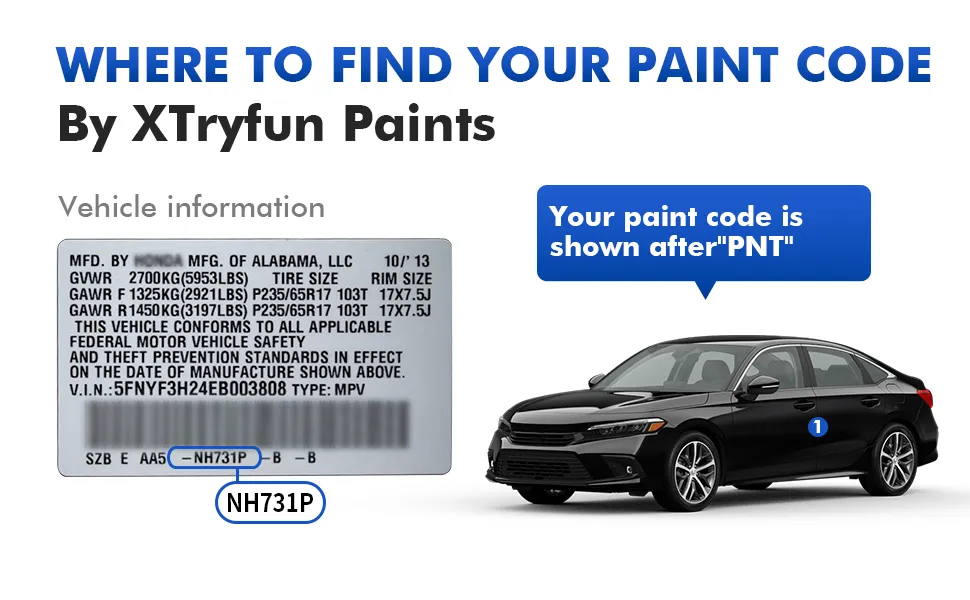
1) Confirm paint code: Locate the code on the door jamb or under the hood and order the exact match — for instance, order a Toyota touch up paint kit when you own a Toyota.
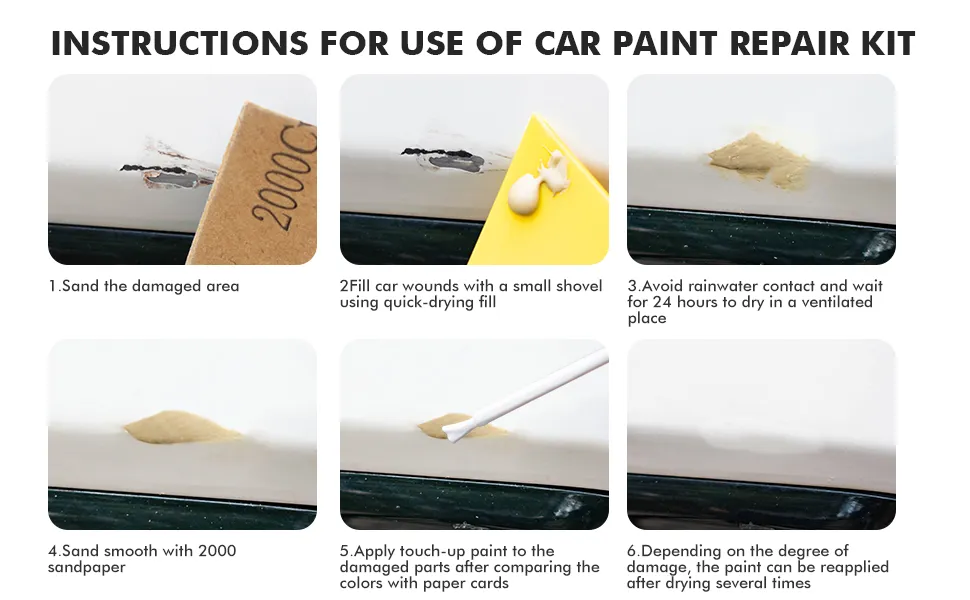
2) Clean the area: Use isopropyl alcohol or a wax & grease remover — remove all wax, tar, and contaminants.
3) Sanding: Start with a fine grit to remove corrosion or rough paint edges, then feather with finer grit for a smooth base. Use the sandpaper included in the kit.
4) Filler: For deep gouges, use the small bottle filler tool in the kit to level the area; let it cure and sand smooth.
Application: tips for brush-on bottle application (30ml)
– Shake the paint thoroughly; pigment can settle.
– Apply hair-thin coats with the brush integrated into the cap. For chips, dab; for thin scratches, drag in the scratch direction with minimal strokes.
– Wait 20–30 minutes between coats (kit dries to the touch in ~30 minutes). Multiple thin layers are far better than one blob of paint.
– Use the included spreader to gently level each coat while still slightly tacky if needed.
Blending: techniques to hide the edge
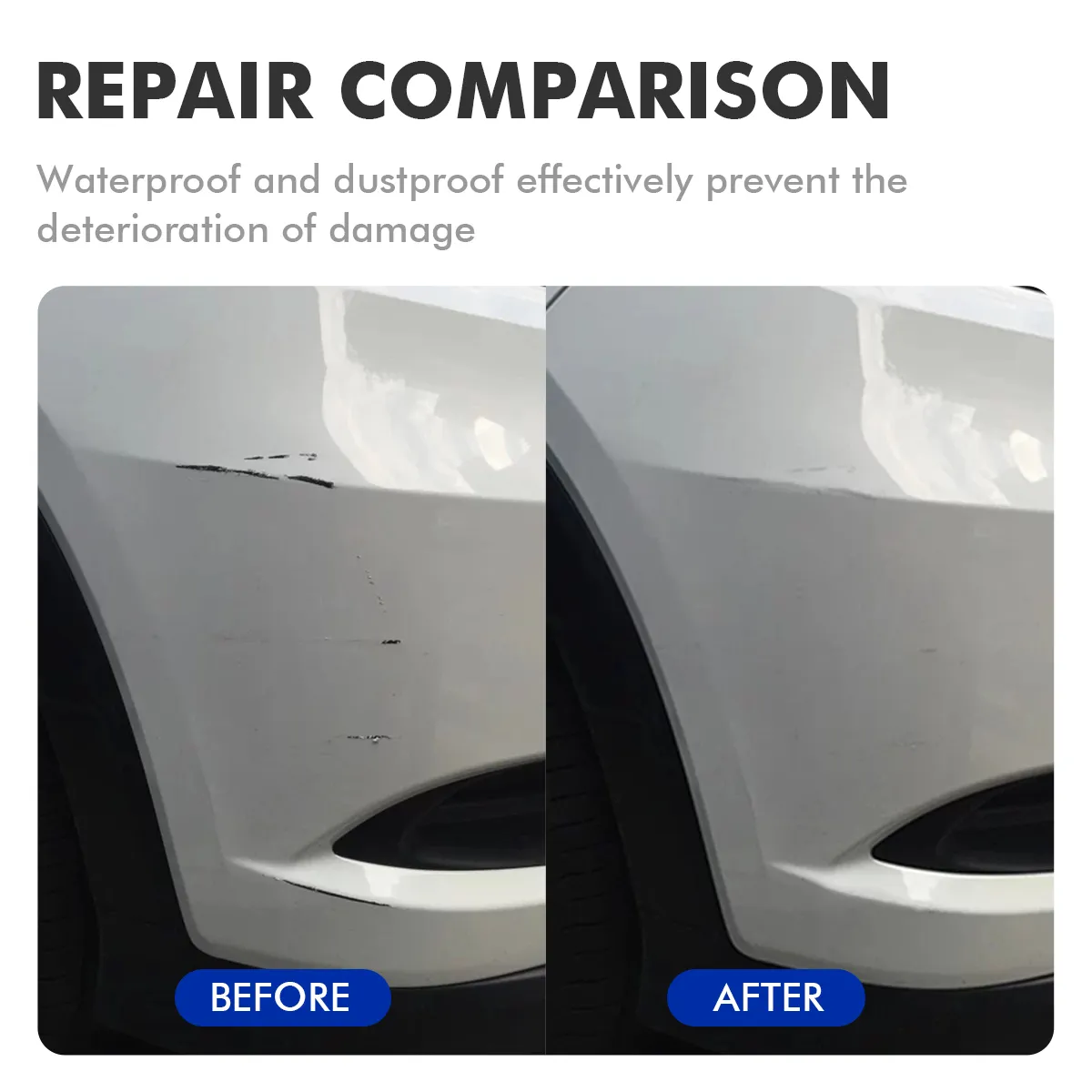
To avoid sharp “island” repairs: once the color is close, gently wet-sand with very fine (1500–3000 grit) paper after the paint has cured, then polish with a fine compound. For best results, finish with a clear coat over the area to recreate the factory gloss and better match adjacent panels. Check out our YouTube tutorials for live demonstrations.
Advanced color-matching considerations
A few advanced tips I learned after dozens of repairs:
- Factory clear coat thickness varies — if your car had a heavy factory clear coat, a single touch-up clear layer may slightly alter gloss. Adjust by building thin layers.
- Metallic and pearlescent paints behave differently — they’re angle-sensitive and require special attention. Use multiple thin coats to stabilize the effect.
- For faded panels, consider slightly adjusting tone — a professional blend might require “toning” the surrounding area or clarifying expectations. In many cases, owners prefer a repair that visually integrates rather than a mathematically perfect formula.
You can also find video examples on our YouTube channel for a visual step-by-step guide.
Model-specific tips and case studies
Different brands and paints have small quirks — I’ll share a few real-world examples that highlight practical solutions.
Toyota owners
When I tested a Toyota touch up paint kit on a Corolla with sun-faded panels, I matched the code but still needed a light polish to marry the gloss. For Toyotas, start with a gentle blend and finish with a thin clear coat to mask slight fade differences.
Subaru owners
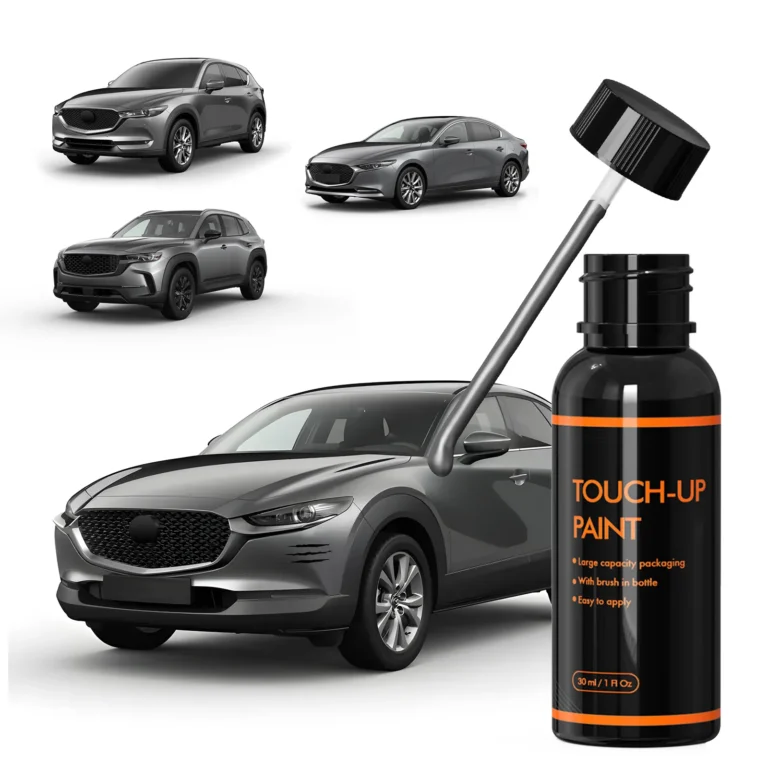
Subaru metallics can show tiny speck variations; the subaru touch up paint kits we use have consistent flake distribution — apply more thin coats to settle the flakes evenly.
BMW, Tesla, GM examples
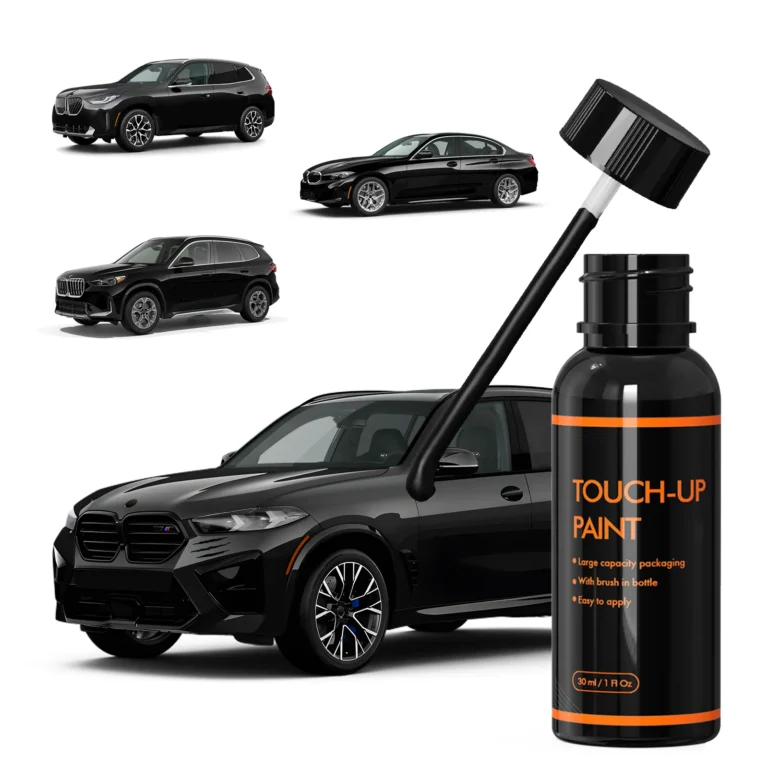
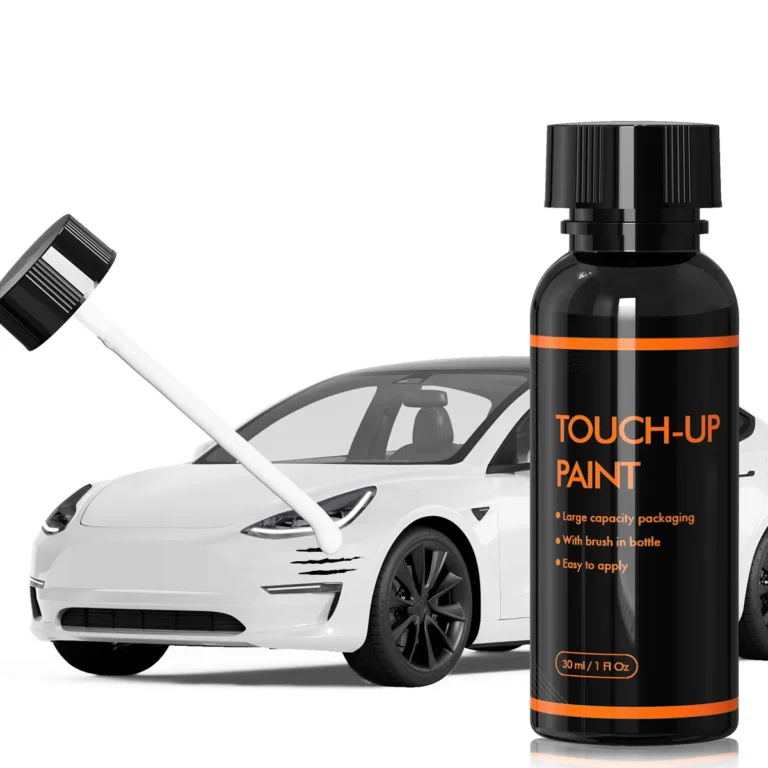
A reader repaired a 3 Series bumper using our bmw touch up paint and relied heavily on blending and clear coat to maintain gloss. Tesla owners using the tesla touch up paint often report the paint matches perfectly at normal angles but can reveal micro differences at grazing angles — wet-sanding and polishing solves this. GM chips (Chevy/GMC) respond well to our GM touch up paint with the standard kit workflow.
Tools, products and kit contents — why each piece matters
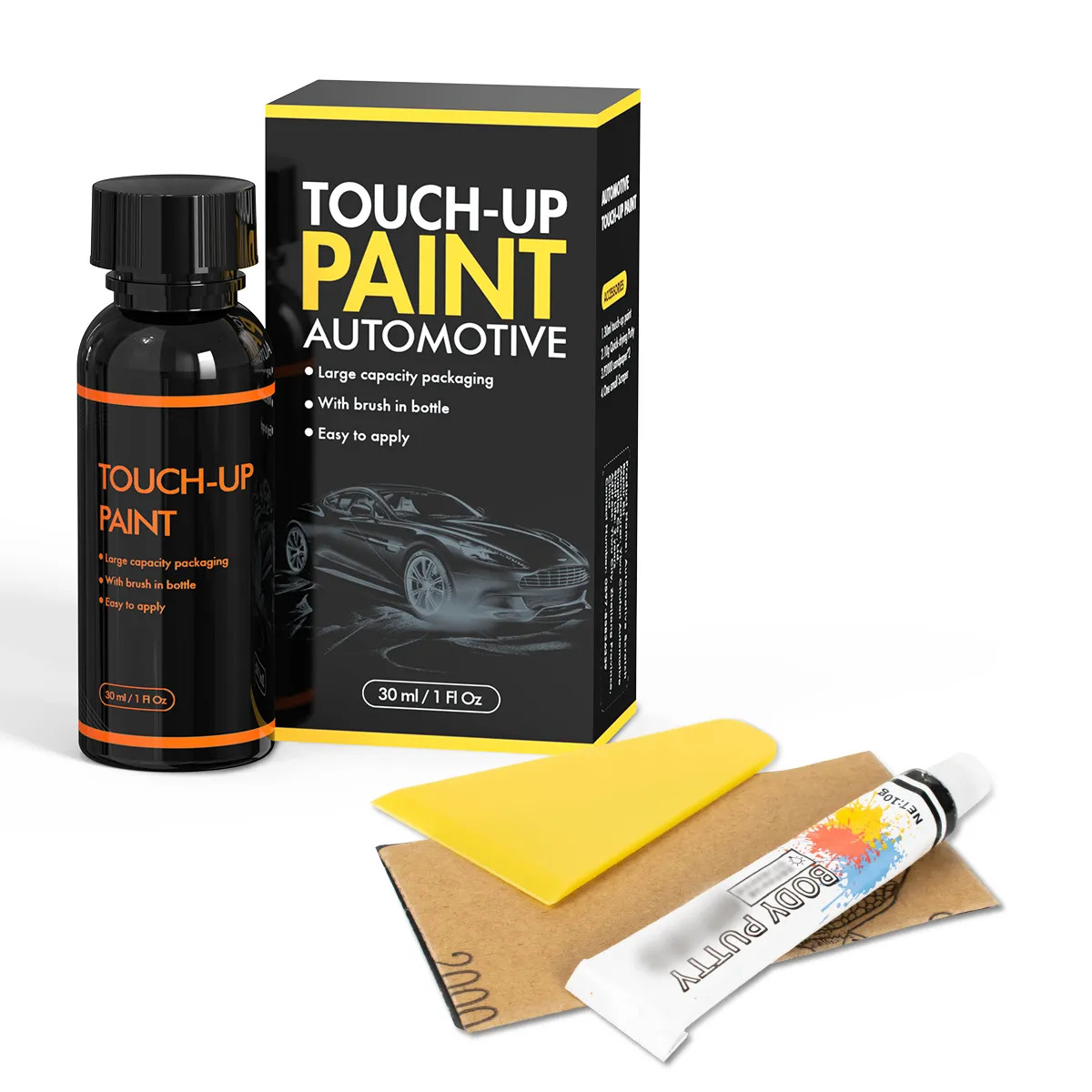
A typical touch up paint kit includes:
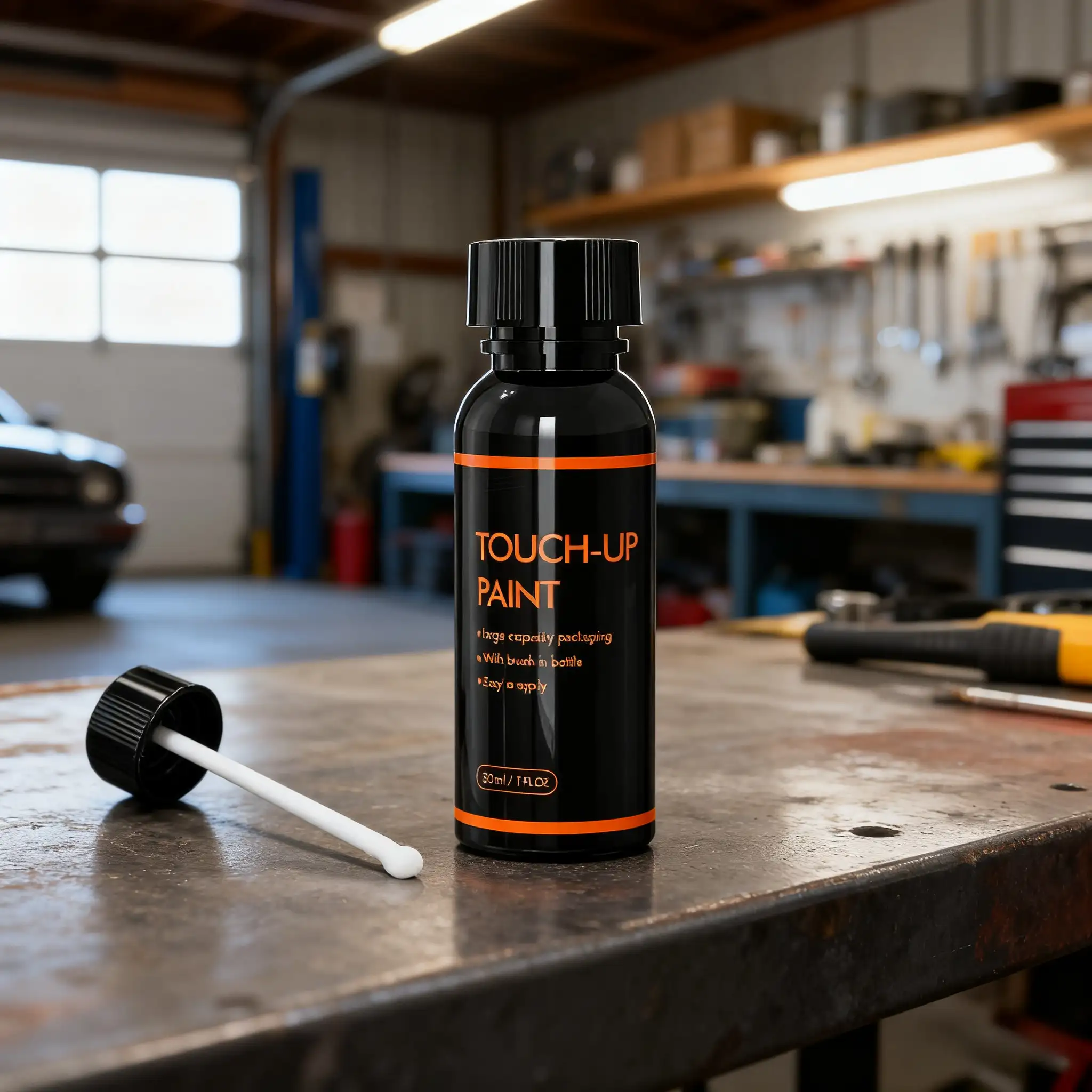
- 30ml paint bottle with brush cap — precise control for small areas
- Sandpaper — for prep and feathering
- Applicator/spreader card — helps level paint
- Small filler bottle — essential for deep gouges
- Instructions/MSDS — safety and correct handling
Each part reduces a common failure point: sandpaper prevents texture mismatch, filler prevents low spots, and the spreader helps avoid brush marks.
Troubleshooting: common issues and fixes
Below are typical problems and practical fixes I use in the shop.
Issue: Paint looks too dark or too light
Solution: Check lighting and confirm the code. If the area is darker, you probably applied too much pigment — carefully wet-sand and polish to reduce excess. If too light, add a very thin additional coat and blend.
Issue: Visible brush strokes or texture mismatch
Solution: Use the spreader to even out the paint while slightly tacky. After full cure, wet-sand with 2000–3000 grit and polish to restore uniform texture.
Issue: Metallic fleck looks inconsistent
Solution: Build more thin coats and allow pigment flakes to settle uniformly. For pearlescent/metallic finishes, more thin layers beat aggressive single coats.
Maintenance: how to care for the repaired area
After a successful repair, wait 24 hours before washing. For the first week avoid high-pressure washers on the repaired spot. Waxing is fine after full cure; a proper wax or sealant actually helps visually integrate the repair with adjacent panels.
FAQ — practical answers
Q1: What if my touch up paint still looks different after following the steps?
Minor residual differences can remain on older or heavily faded panels. Try a clear coat and polishing, or consider professional blending for large areas. For extra guidance see our guide on car scratch touch up paint and YouTube tutorial videos.
Q2: Can I use the kit on plastic bumpers and trim?
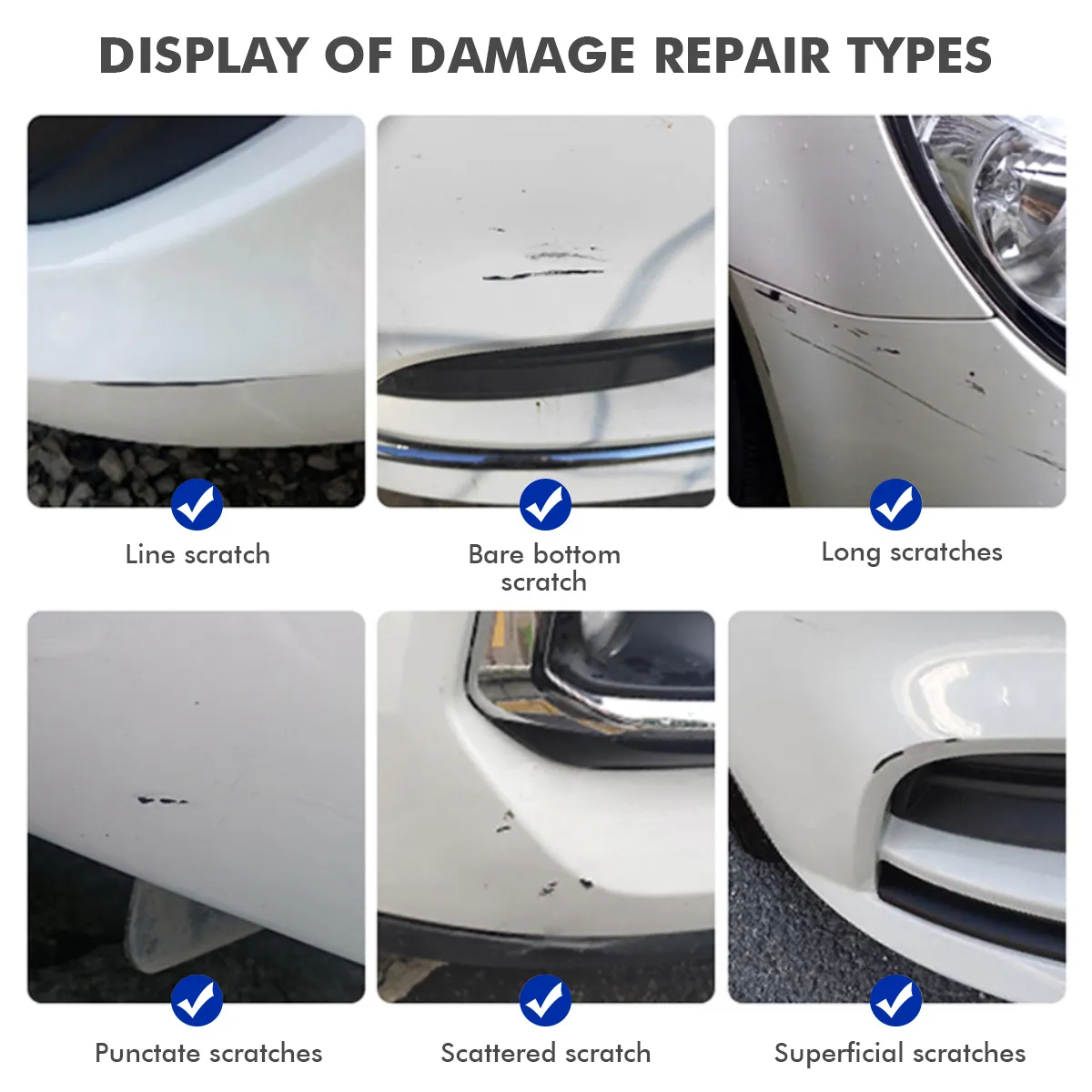
Yes. Many owners have successfully repaired bumpers. For deep gouges in plastic, use the filler tool first and ensure the surface is dry and clean. See our step-by-step on car touch up paint for scratches and video guidance.
Q3: How durable are these repairs?
With correct prep and clear coat protection, repairs can last years. The xtryfun touch up paint kit is waterproof and oxidation-resistant; following directions increases longevity dramatically.
Q4: Model-specific question — will a Toyota or Subaru require anything special?
Some Toyotas with heavy clear coats need an extra polishing step; Subaru metallics benefit from more thin pigment layers to even flake distribution. In general, order the Toyota touch up paint kit or subaru touch up paint to start from the proper formula.
Real user examples — short case studies
Case 1: A 2016 Toyota Corolla had a 2-inch door ding with paint removed. The owner ordered a Toyota touch up paint kit, used the filler for depth, and blended the repair with wet-sanding. The final result was nearly invisible at normal viewing angles.
Case 2: A Subaru Crosstrek owner used our subaru touch up paint after a shopping cart scratch; multiple thin coats and a clear coat finished the job.
Case 3: A BMW 3 Series bumper scratch was corrected with bmw touch up paint, followed by polishing to match the factory gloss.
Why xtryfun touch up paint kits are a good DIY choice
- 1:1 OEM color matching when you order by paint code
- 30ml bottle size is convenient for small repairs — less waste
- Complete set: filler, sandpaper, applicator — no extra purchases
- MSDS-certified formula and durable finish
- Comprehensive support articles and how-to content on the site and YouTube channel